Business
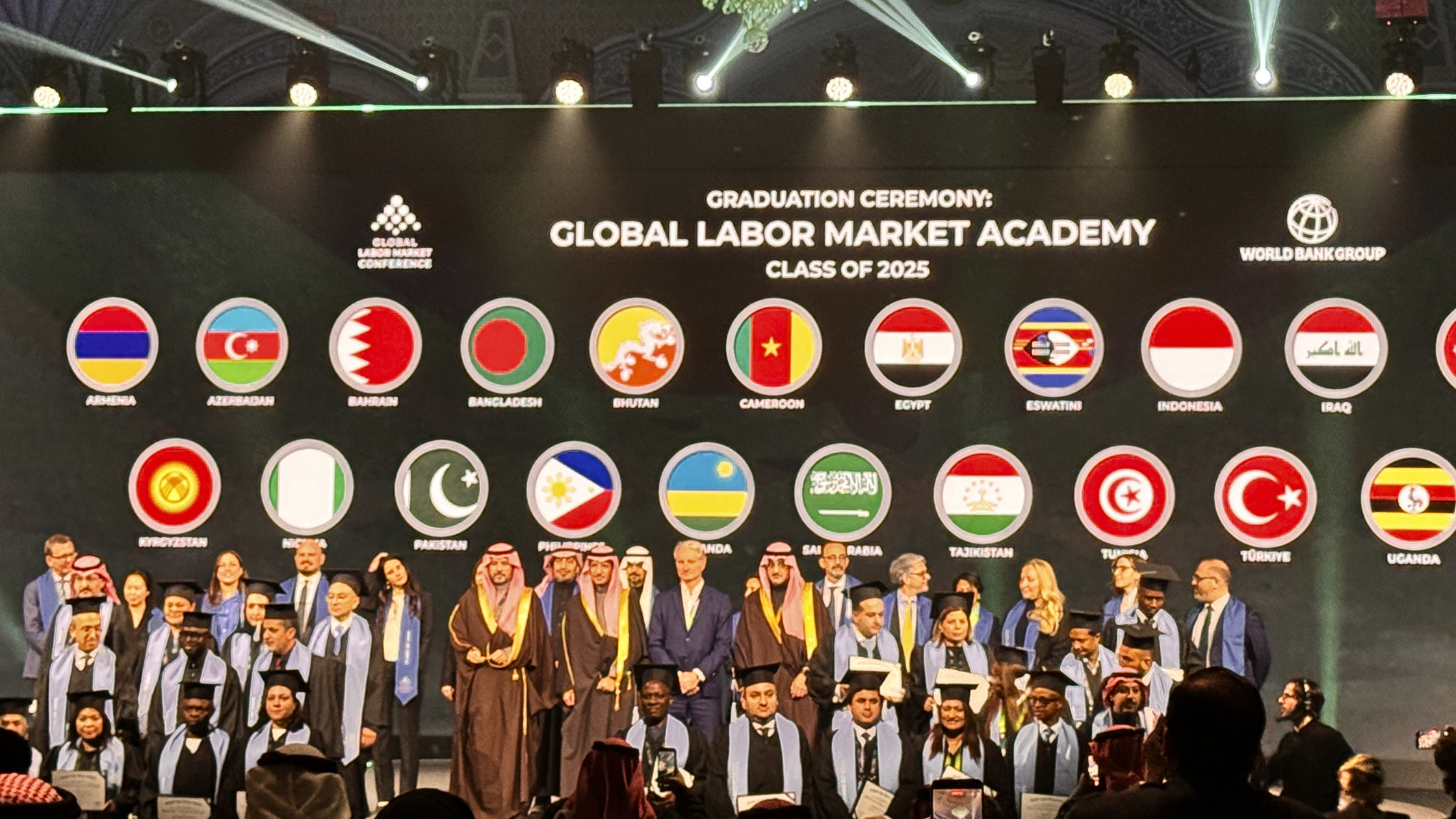
And yet that room is where the next decade of those careers quietly takes shape.
On 26–27 January 2026 , the Global Labour Market Conference (GLMC) returned to Riyadh for its third edition at the King Abdulaziz International Conference Center, under the theme "Future in Progress." Organised by Saudi Arabia's Ministry of Human Resources and Social Development, the event convened 40 labour ministers and research partners including the International Labour Organization, the World Bank, the OECD, UN Tourism, the UNDP, and the IOM. The scale was hard to miss: over 10,000 participants and more than 200 speakers from over 100 countries , all gathered around a single theme — the future of work.
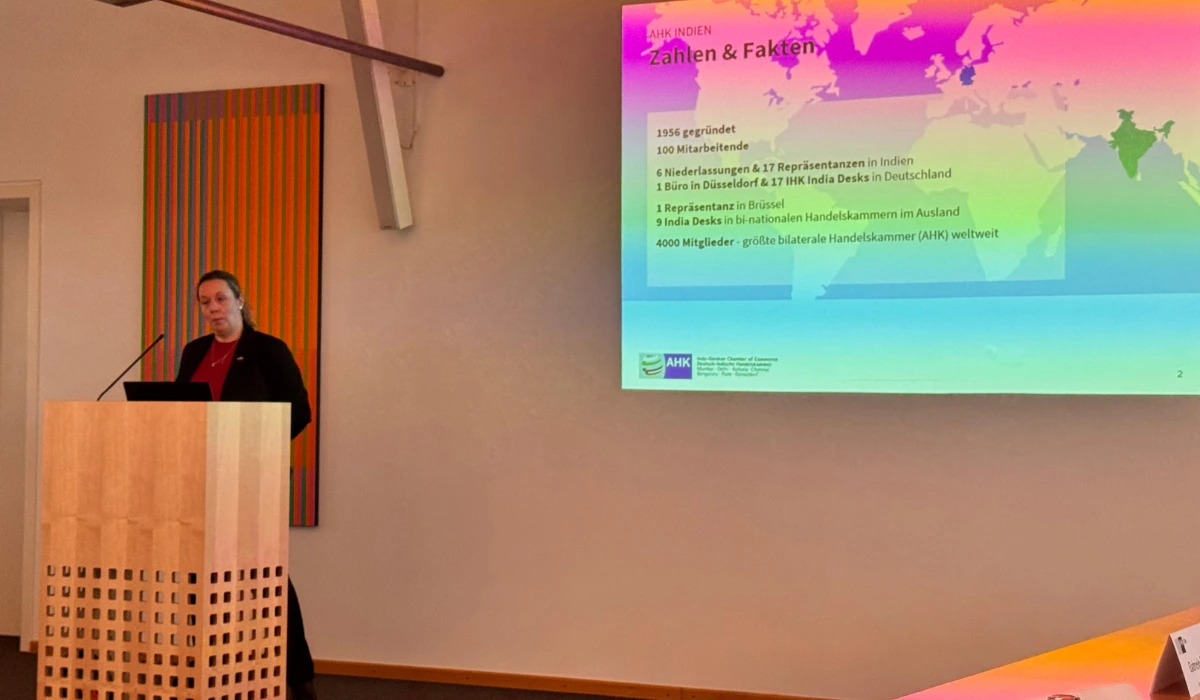
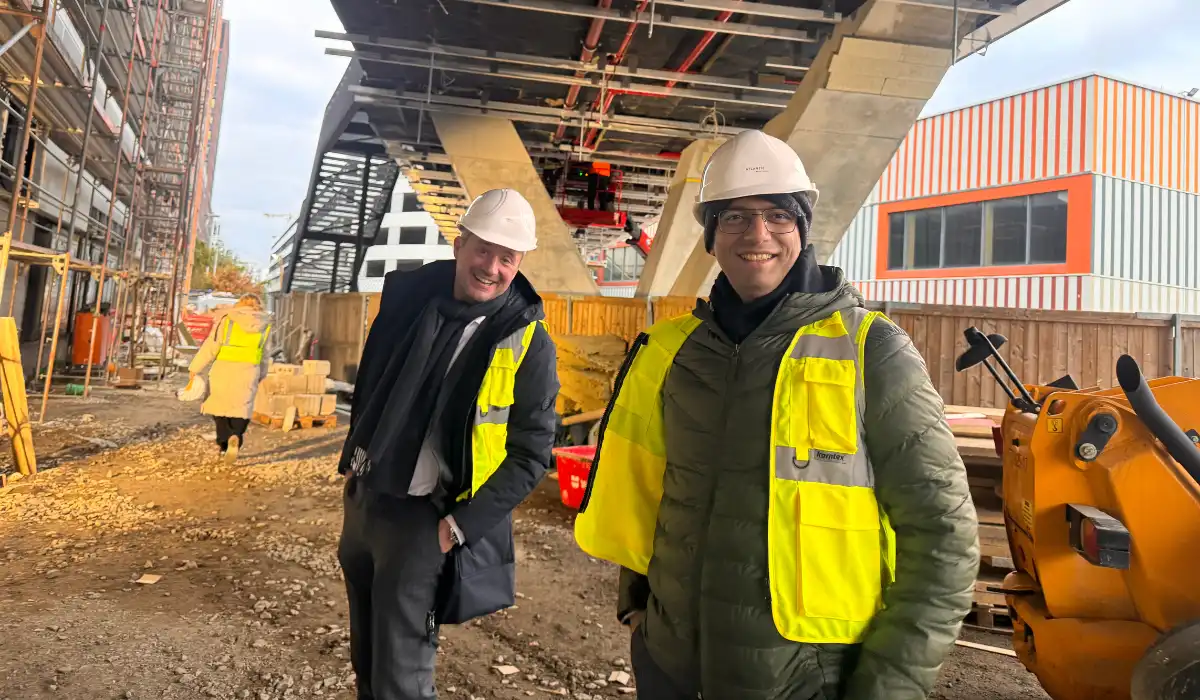
Accel Skill's founders were in that room. Not as speakers, sponsors, or official partners — simply as participants, there to listen, take notes, and understand where global labour policy is heading. It's the kind of trip that produces no press release, but it shapes how a company thinks about the people it serves every day.
Accel Skill is not a visa office. It's a platform that prepares skilled professionals — nurses, hospitality workers, technicians, and tradespeople — for international careers through language training, industry-aligned skilling, and structured employer partnerships. Its work sits directly downstream of decisions made in rooms like the one in Riyadh.
When a labour ministry signs a new bilateral agreement, or the World Bank publishes fresh projections on where healthcare workers will be needed most, that information eventually becomes a training curriculum, a language class, or a job opening. Companies that react only after these shifts have happened stay a step behind. Companies that pay attention early build the right programmes before demand turns urgent.
That's the case for attending: not to make an appearance, but to hear directly from the people setting the terms of tomorrow's labour markets — before those terms reach a headline.
The conference did more than host panels. It produced commitments.
The edition closed with the signing of 90 strategic agreements and memoranda of understanding between government entities and the private sector — initiatives expected to benefit more than 6 million people within and beyond the Kingdom. The ministerial roundtable, chaired by Minister Ahmed bin Sulaiman Al Rajhi and attended by ILO Director-General Gilbert Houngbo, concluded with six priority actions to strengthen global labour markets.
The event also marked the graduation of the first cohort of the Global Labour Market Academy — a partnership between GLMC, the World Bank, and Takamol Holding, built to train the next generation of labour policy leaders and strengthen capacity-building for policymakers worldwide.
Running through the sessions was a consistent focus on the mechanics of workforce development: active labour market programmes to bring more young people into stable employment, and employer-led approaches such as Sectoral Skills Councils that put industry directly into the design of training. Neither sounds dramatic on paper. Both go straight to the heart of what workforce development companies deal with daily — matching what people are trained to do with what employers actually need.
None of this involved Accel Skill directly, and the company claims no otherwise. But sitting in the audience for these announcements gives a founder a sharper vantage point than reading about them weeks later.
The labour shortages driving these conversations are not abstract.
The World Health Organization projects a global shortfall of roughly 11 million health workers by 2030 , with the steepest gaps in lower- and middle-income regions. McKinsey research puts the figure at a minimum of 10 million, noting that closing it could meaningfully lift the global economy while preventing millions of years of life lost to preventable illness.
Germany's version of this story is well documented. Federal data shows over 300,000 skilled positions unfilled in 2025 , even as overall vacancies eased from their 2023 peak. Nursing is one of the sharpest pressure points: demand is projected to rise by roughly a third by 2049, potentially leaving Germany short several hundred thousand nurses if training pipelines don't keep pace. The OECD's 2025 economic survey of Germany flags the same pattern across nursing, construction, hospitality, and skilled trades — demand consistently outpacing supply, compounded by an ageing domestic workforce.
These are the conditions that make Germany's Ausbildung system — its dual vocational model combining classroom learning with paid, on-the-job training — such a relevant pathway for international candidates. It's also why healthcare and hospitality recruitment corridors between India and Germany have become a genuine growth area rather than a niche one.
Numbers like these don't just describe a problem. They describe an opening — for candidates with the right preparation, and for the organisations built to get them there responsibly.
There's a meaningful difference between helping someone leave a country and helping someone build a career that happens to cross a border. Forums like GLMC keep returning to the same idea: labour mobility works best when it's structured, ethical, and mutually beneficial — not a one-way transaction where a sending country only loses talent.
A model built on placement fees and rushed departures treats migration as a transaction. A model built on training, language proficiency, certification, and long-term employer partnerships treats it as career development that happens to involve geography. The second produces better outcomes for candidates, for receiving countries facing shortages, and for sending countries that don't want to lose skilled workers to poorly managed pipelines.
Accel Skill's own approach — a zero-fee model for candidates under India's regulated emigration framework, paired with training centres built around destination-country licensing requirements — reflects that second philosophy. Conferences like GLMC are where that philosophy gets tested against what policymakers and economists are seeing on the ground.
For educational institutions and employers, the takeaway isn't "attend more conferences." It's narrower: pay attention to where labour policy is heading before it becomes a hiring crisis.
A few patterns worth watching, drawn from GLMC and supporting World Bank and OECD research:
None of this replaces good training or careful candidate preparation. But knowing where policy is moving lets institutions plan further ahead than they otherwise could.
If you're a nursing graduate, a hospitality professional, or a young engineer weighing whether an international career is worth the effort, the policy detail isn't the point. The point is what it adds up to: more structured pathways, clearer language and certification requirements, and employers actively looking for exactly the skills you're building.
The gap between where global labour policy is heading and where individual career preparation happens is smaller than it looks. A World Bank projection about 2030 healthcare shortages is also a signal about where nursing training should focus today. A discussion about Sectoral Skills Councils in Riyadh is a hint about which certifications will carry weight with employers next year.
Companies that read these signals early build better-aligned training programmes. That, in the end, is the whole argument for attending an event like GLMC: not to make headlines, but to ensure the guidance given to a nursing graduate in 2026 reflects where the world's labour markets are actually going — not where they were three years ago.
Launched in 2023, GLMC has evolved into a year-round global think tank, and the World Bank partnership behind the Global Labour Market Academy is expected to keep scaling toward its longer-term target of hundreds of trained policymakers. Expect more policy labs, more sectoral agreements, and more countries formalising labour mobility corridors in response to their own demographic pressures.
For a company like Accel Skill — built on the belief that global careers should be structured, transparent, and genuinely beneficial to everyone involved — staying close to these conversations isn't optional. It's how the training keeps up with the demand.
Considering a career pathway to Germany? Schedule a free counselling session with our experts.
Accel Skill Edutech Pvt. Ltd. is a Registered Recruiting Agent (RA)-licensed talent mobility platform building end-to-end pathways that connect Indian nursing graduates and vocational trainees with verified employment opportunities in Germany, Austria, and select Gulf countries.