Professional Development
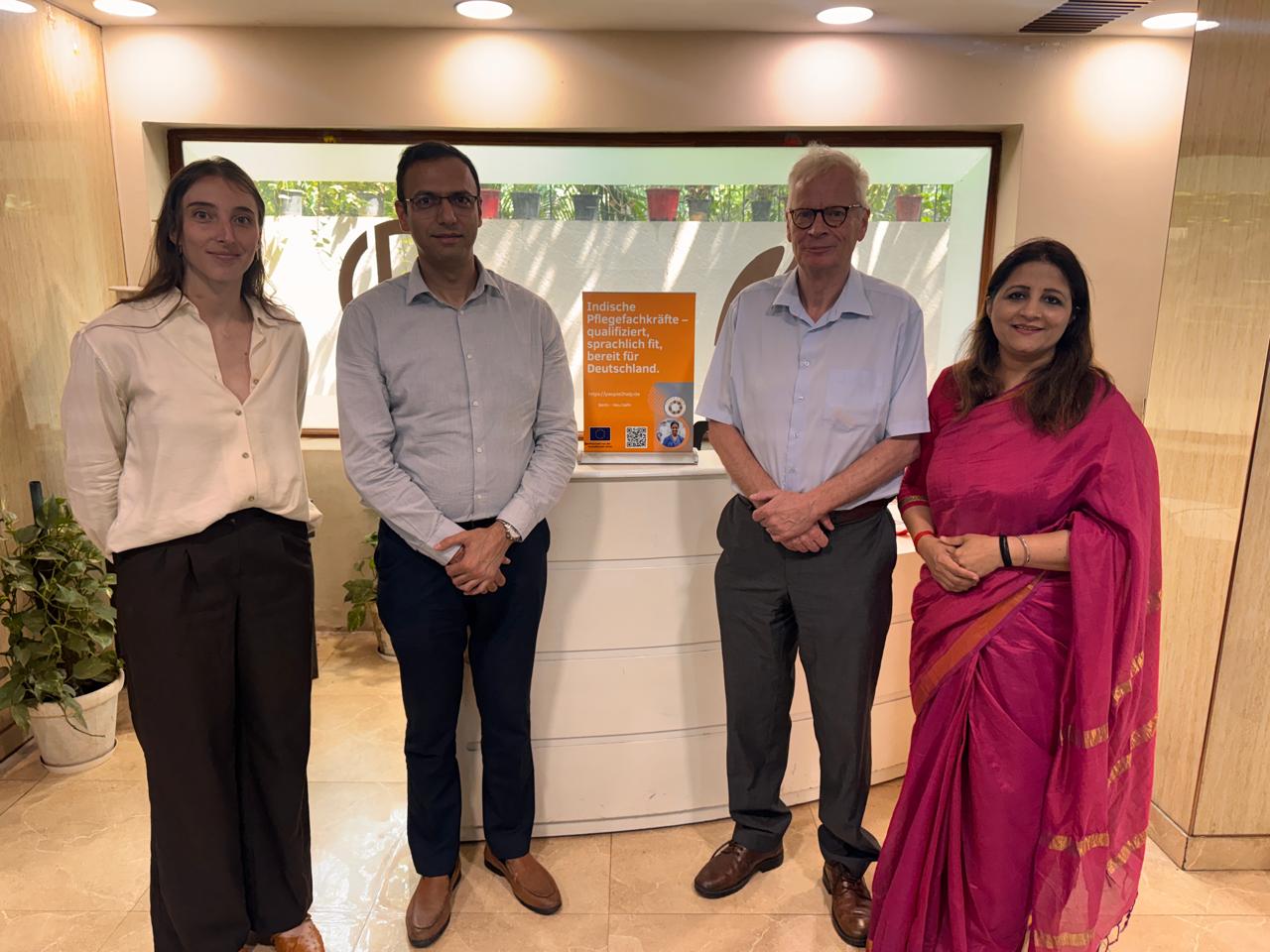
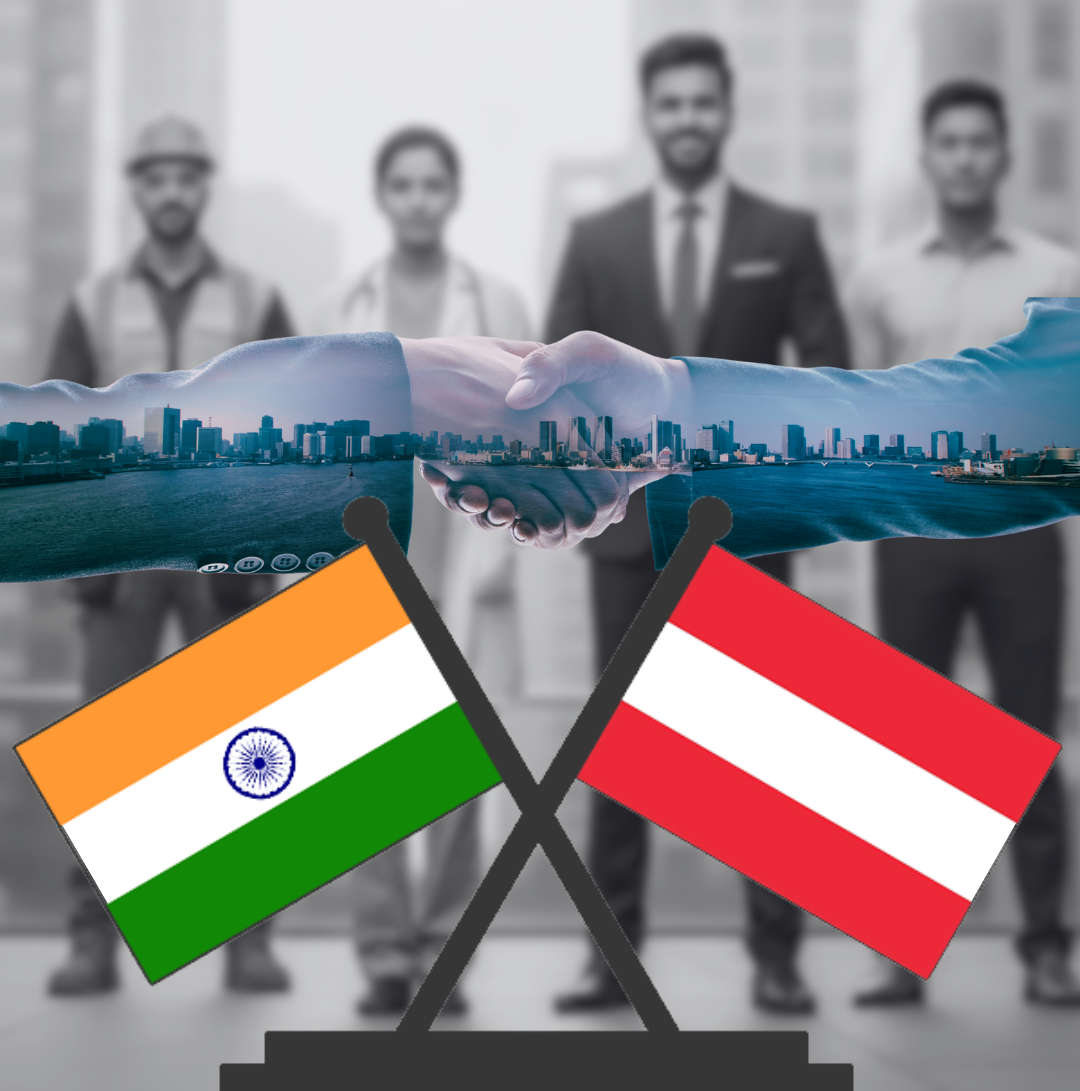
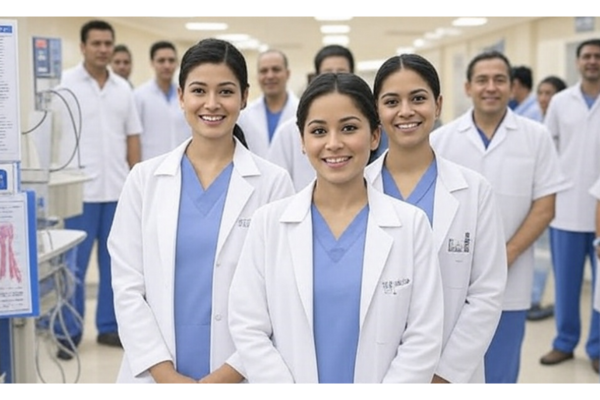
Accel Skill has signed a Memorandum of Understanding with people2help, a Berlin-based organization that prepares and places qualified nursing professionals within Germany's healthcare system. The agreement creates a shared framework to support Indian nurses building careers in Germany, with emphasis on German language proficiency, intercultural readiness, and professional preparation for life inside German hospitals and care institutions.
While an MoU like this might seem like routine formality, it reflects something more specific: an agreement on how talent mobility should actually work at a time when demand for skilled nurses in Germany outpaces supply and when the gap between a well-prepared placement and a poorly prepared one carries real consequences.
Germany has increasingly relied on nurses from abroad, and India has become a key source country. But recruitment numbers alone don't guarantee good outcomes. A nurse who arrives with the right paperwork and a language certificate can still struggle if preparation stops there—clinical documentation norms, ward-specific vocabulary, and the unwritten expectations of a German care team require more targeted preparation.
People2Help addresses this through certified language training to working proficiency, standardized candidate profiling, and continued support after placement. Its India-based operations, built on language schools and university partnerships, complement Accel Skill focus on industry-aligned education and structured international career pathways. The MoU formalizes this shared philosophy: that sustainable international careers are built before departure, not fixed afterward.
Beyond the immediate cohort of nurses, this partnership offers a template for responsible workforce mobility. Cross-border recruitment has often been undermined by shortcuts—agencies prioritizing placement fees over candidate success, or employers treating onboarding as an afterthought. The costs surface later, in early attrition or slow integration. Specialized partnerships that divide preparation and in-country support reduce this risk.
A nurse trained specifically for the German clinical environment, with cultural understanding and post-arrival support, represents a fundamentally different kind of hire—benefiting both institutions and professionals.
As the India–Germany healthcare corridor continues to take shape, partnerships like this one are helping define it—not through single announcements, but by choosing preparation over speed and structure over shortcuts.
If you're an institution looking to build a reliable nursing talent pipeline or an organization working toward similar goals in international workforce mobility, this is the kind of collaboration worth exploring further. Reach out to us at info@accelskill.com to start the conversation and discover how we can build reliable talent pipelines together.
Continue exploring topics that interest you.