Professional Development
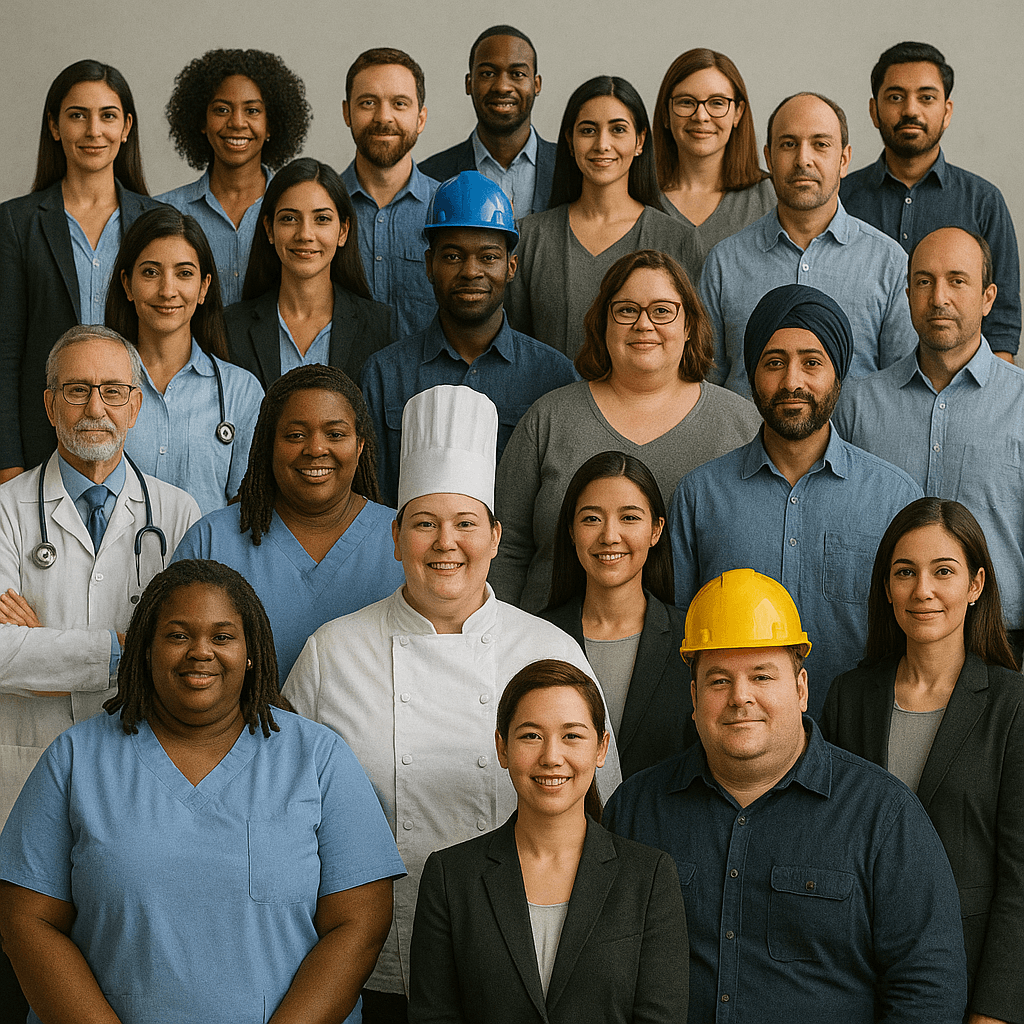
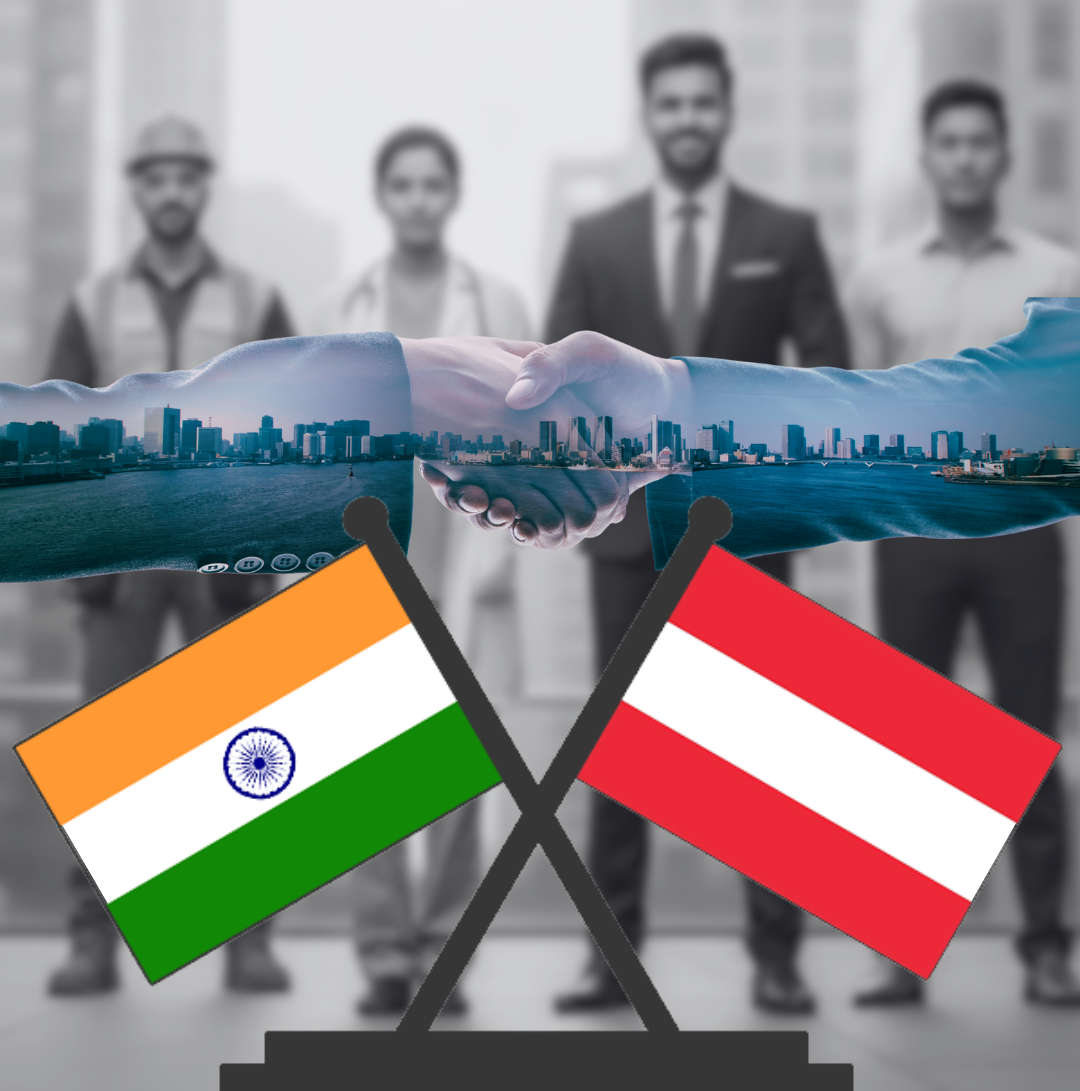
For years, migration has been handled like an emergency lever: pull it when there’s a labour shortage, pause it when politics heats up. But the world has changed.
At Accel Skill , we see a clear shift: migration is moving from “crisis response” to everyday governance —and that’s a good thing for employers, workers, and economies.
When migration becomes part of everyday governance, it moves from ad-hoc fixes to systems that are predictable, ethical, and workforce-aligned , such as:
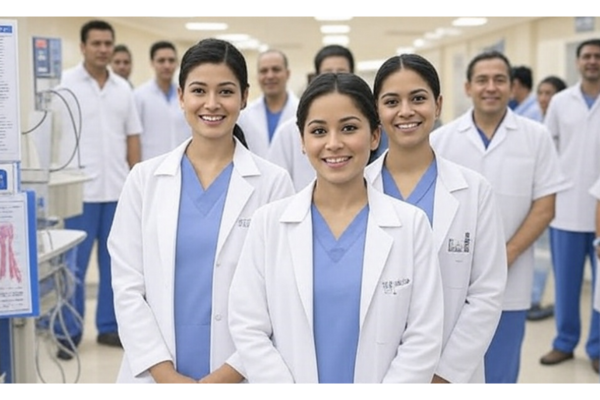
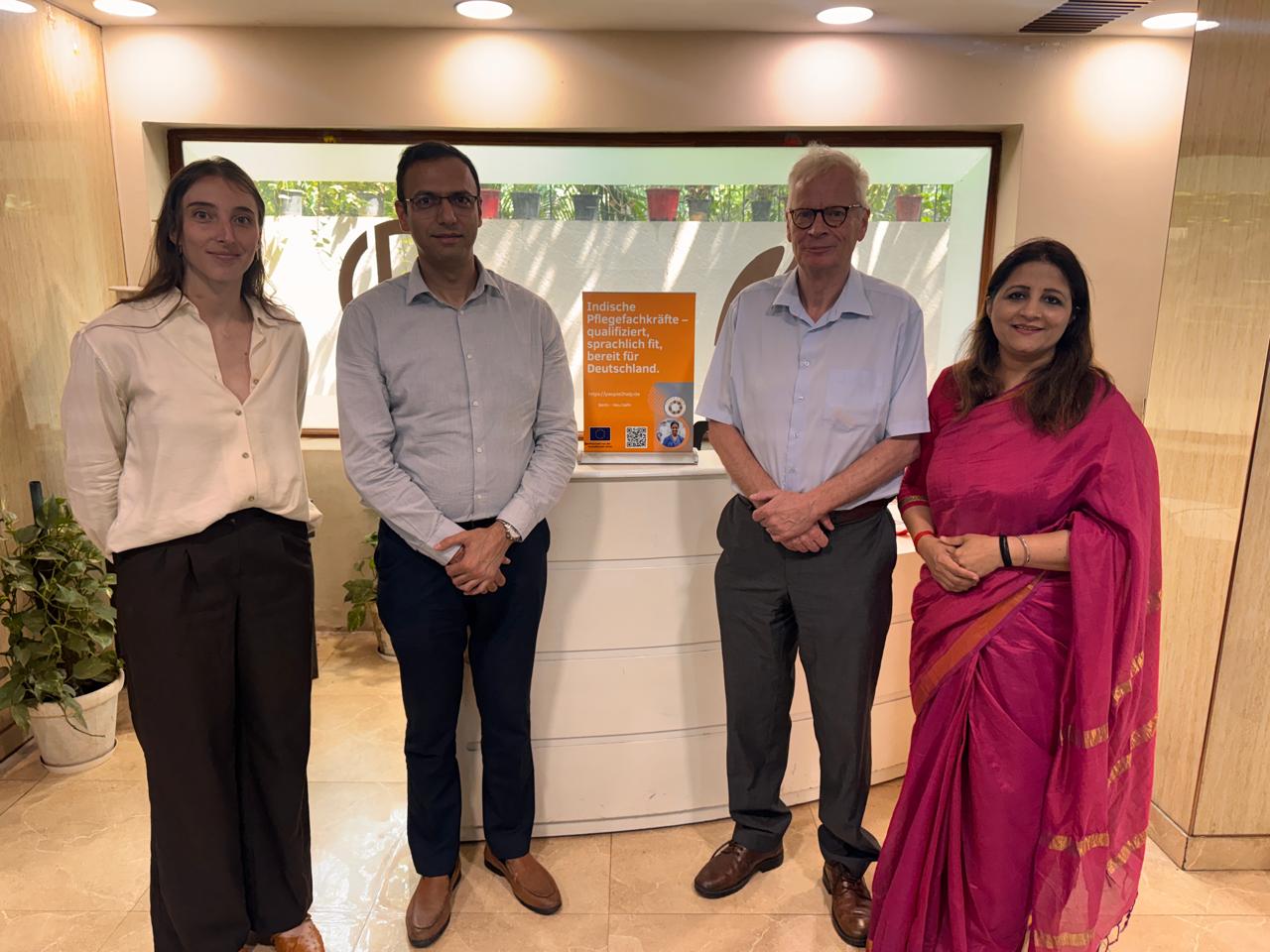
We work with employers and partners to help build industry-ready talent pipelines —especially in healthcare, hospitality, and industrial roles —so hiring is not a last-minute scramble but a repeatable workforce solution .
When governments and employers treat migration as governance, it creates:
Are we designing migration systems to be resilient and routine —or will we keep reacting to shortages and shocks?
If you’re an employer, policymaker, or ecosystem partner: what would “everyday governance” look like in your sector?
Continue exploring topics that interest you.