Jobs
For many years, the definition of career success in India has been relatively simple. Students were encouraged to become software engineers, doctors, or management professionals. Parents proudly dreamed of their children earning engineering degrees, MBA qualifications, and high-paying corporate jobs.
These career paths undoubtedly contributed to India's economic growth and helped millions achieve financial stability. However, the world is changing rapidly. New technologies, especially artificial intelligence (AI), are transforming industries and reshaping the job market. As a result, experts are beginning to question whether traditional career choices alone can guarantee long-term employability.
Recently, Chief Economic Advisor V. Anantha Nageswaran highlighted an important issue that India can no longer afford to ignore. According to him, the country must rethink its employment and education priorities by giving greater importance to vocational and trade-based professions such as welding, plumbing, electrical work, carpentry, and other skilled occupations.
His message is simple yet powerful: India needs to respect skilled trades and prepare its workforce for the jobs of the future.
For decades, academic degrees have been considered the primary path to success in India. Engineering colleges, management institutes, and software training centers have attracted millions of students hoping to secure stable careers.
This trend became even stronger during the globalization era. As multinational companies expanded and the IT industry flourished, software engineering and MBA degrees became highly desirable. Families viewed these professions as symbols of social status, financial security, and professional achievement.
While this approach created many opportunities, it also led to an imbalance. Many students were encouraged to pursue degrees regardless of their interests, talents, or market demand. At the same time, vocational careers were often overlooked or considered less prestigious.
Unfortunately, this mindset continues to exist today.
One of the most significant concerns raised by Nageswaran is the lack of respect given to skilled manual workers in India.
Professions such as welding, plumbing, electrical work, and carpentry are essential to everyday life. Modern infrastructure, homes, factories, offices, and public facilities all depend on the expertise of skilled tradespeople.
Yet many people still view these professions as less desirable than office-based jobs.
In contrast, countries like Switzerland, Germany, Japan, South Korea, and China have developed strong vocational training systems. Skilled workers in these nations are respected for their expertise and are often well compensated for their contributions.
These countries understand that economic growth requires not only engineers and managers but also technicians, craftsmen, electricians, mechanics, and other trade professionals.
India has an opportunity to learn from these successful models.
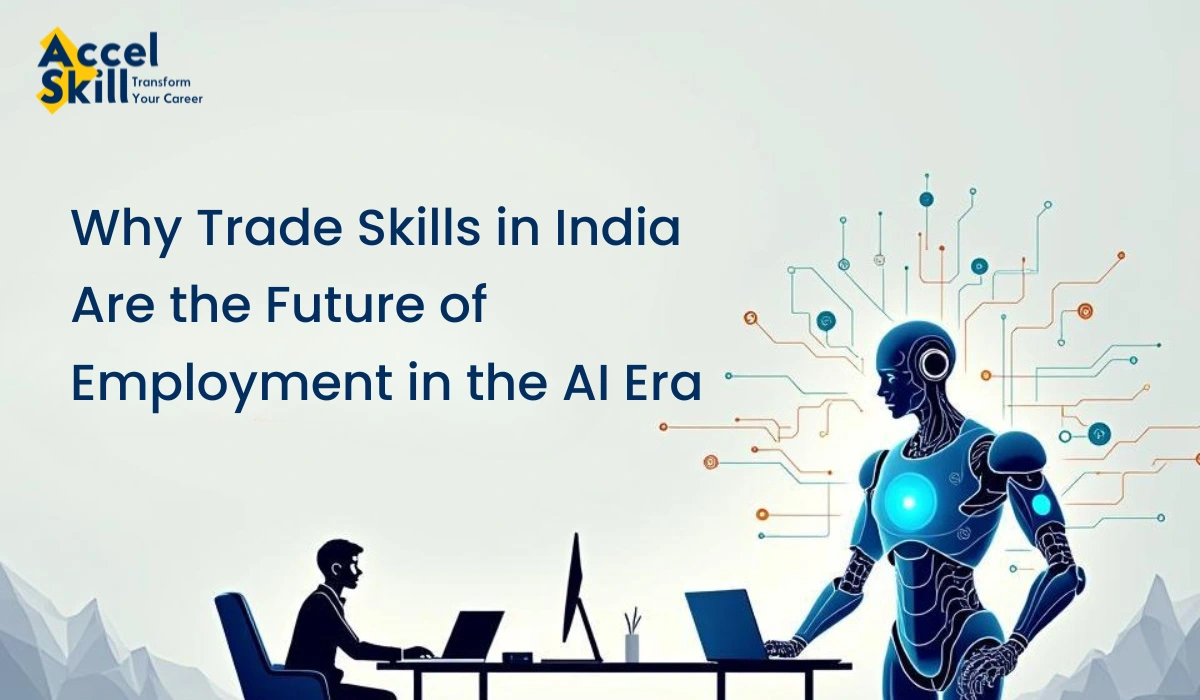
Artificial intelligence is becoming increasingly capable of performing tasks that once required human effort. From data analysis and customer support to content generation and administrative work, AI is transforming many industries.
This technological shift is creating both opportunities and challenges.
While AI can improve productivity and efficiency, it also raises concerns about job displacement in certain sectors. Many routine and repetitive tasks can now be automated, reducing the need for human involvement.
According to Nageswaran, this is why young people should focus on developing skills that technology cannot easily replace.
Trade-based professions often require hands-on problem-solving, physical presence, practical expertise, and real-world decision-making. A plumber fixing a water leak, an electrician repairing a power system, or a carpenter creating custom furniture performs tasks that cannot be fully automated by AI.
These careers offer a level of job security that many digital-only roles may struggle to provide in the future.
Employers across the world are increasingly focusing on practical skills rather than academic qualifications alone.
Companies want individuals who can solve problems, adapt quickly, and contribute immediately. In many industries, real-world experience and technical competence are becoming more valuable than simply holding a degree.
This shift presents a significant opportunity for vocational education and skill development programs.
Young people who invest in trade skills can enter the workforce earlier, build valuable expertise, and create successful careers without necessarily following traditional academic routes.
The future belongs to individuals who continuously learn and adapt, regardless of whether their education comes from a university classroom or a vocational training center.
Nageswaran also emphasized several sectors that are expected to experience strong demand in the coming years.
Whether someone is interested in manufacturing, healthcare support, technical trades, or service-based professions, Accel Skill offers learning pathways that help individuals build practical expertise and confidence.
As India continues to strengthen its manufacturing sector, the need for skilled technicians, machine operators, quality inspectors, and production specialists will continue to grow.
Manufacturing remains one of the largest employment generators worldwide and plays a critical role in economic development.
The global population is aging rapidly. As a result, there is increasing demand for caregivers, healthcare assistants, and elder care professionals.
These roles require empathy, personal interaction, and emotional intelligence—qualities that AI cannot replicate.
The hospitality and food industries continue to expand globally. Skilled chefs, bakers, kitchen managers, and culinary professionals have opportunities both in India and abroad.
Food preparation is not just a technical skill; it is also an art that relies heavily on human creativity.
Healthcare systems need trained support staff to assist doctors, nurses, and patients. These roles are essential for delivering quality medical care and ensuring smooth hospital operations.
As awareness of fitness and sports grows, qualified coaches, trainers, and physical education professionals are becoming increasingly valuable.
Sports education promotes healthy lifestyles while creating meaningful employment opportunities.
Supporting children with special needs requires patience, specialized knowledge, and strong interpersonal skills. Professionals in this field play an important role in improving lives and helping families navigate unique challenges.
India faces two major workforce challenges: unemployment and unemployability.
Unemployment refers to the lack of available jobs, while unemployability occurs when individuals do not possess the skills required by employers.
Addressing both issues requires a practical approach to education and training.
By investing in vocational education, skill development programs, apprenticeships, and industry-focused training, India can create a workforce that is better prepared for future economic demands.
The goal is not to replace traditional education but to expand opportunities and provide multiple pathways to success.
Perhaps the most important change India needs is a shift in mindset.
Success should not be measured solely by degrees, job titles, or office locations. Skilled trades and vocational professions deserve the same respect as corporate careers because they contribute directly to society's functioning and economic growth.
A skilled welder, electrician, plumber, carpenter, caregiver, or technician creates real value every day. These professionals build infrastructure, maintain essential services, and support communities.
Recognizing their contributions can encourage more young people to explore rewarding career paths that match their abilities and interests.
India stands at an important turning point. The rise of AI, changing global employment trends, and growing demand for practical skills are reshaping the future of work.
Chief Economic Advisor V. Anantha Nageswaran's message serves as a timely reminder that career success is evolving. While software engineering and management education will continue to play important roles, they can no longer be viewed as the only routes to prosperity.
The future belongs to a diverse workforce equipped with practical trade skills, strong interpersonal abilities, and the flexibility to adapt to changing circumstances.
By respecting vocational professions, investing in skill development, and embracing new career opportunities, India can build a stronger, more resilient workforce ready to succeed in the decades ahead.
Considering a career pathway to Germany? Schedule a free counselling session with our experts!
About Accel Skill
Accel Skill Edutech Pvt. Ltd. is a Registered Recruiting Agent (RA)-licensed talent mobility platform building end-to-end pathways that connect Indian nursing graduates and vocational trainees with verified employment opportunities in Germany, Austria, and select Gulf countries.
Continue exploring topics that interest you.