Business
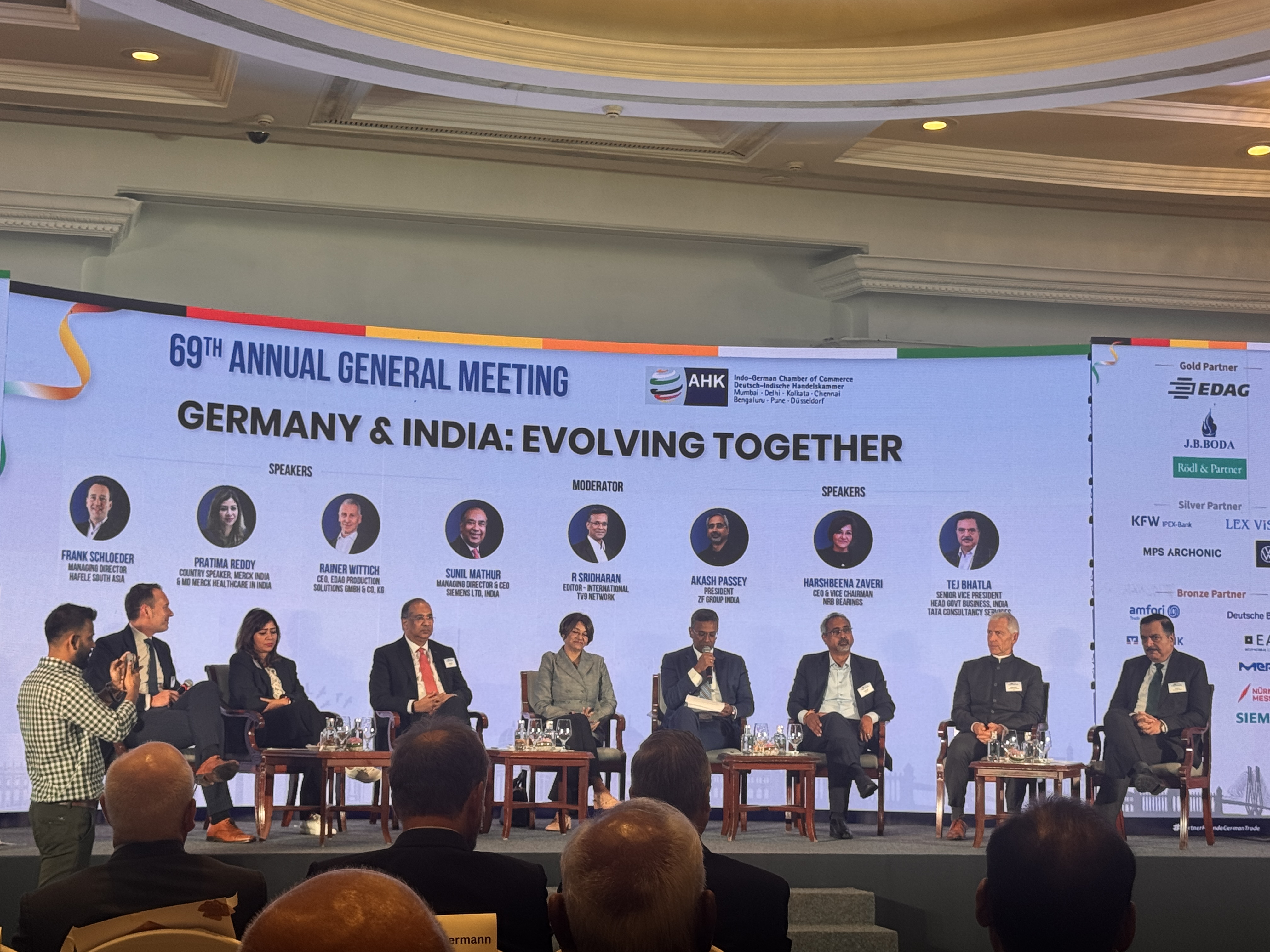
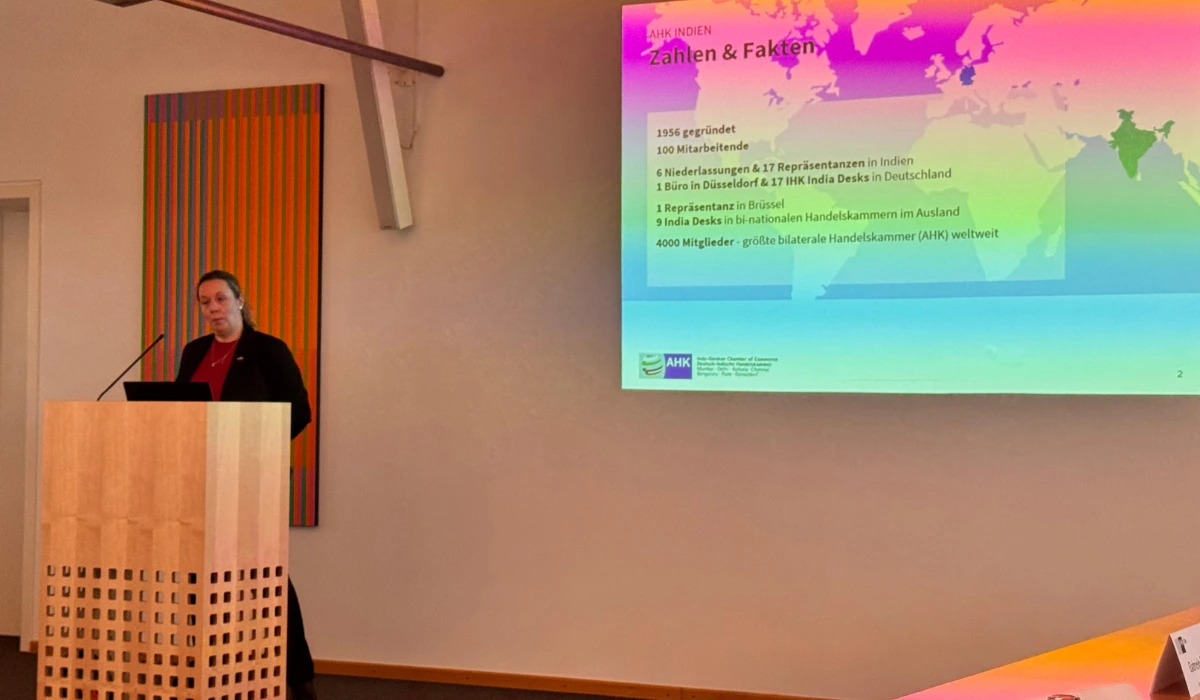
This is the backdrop against which the Indo-German Chamber of Commerce (IGCC) held its 69th Annual General Meeting in Mumbai on September 24, 2025. The gathering carried the theme "Germany & India: Evolving Together," a phrase that captured something real: both countries are adjusting to each other's economic priorities in ways that go beyond the usual language of bilateral trade.
Turnout reflected the scale of the relationship itself: well over 300 attendees, spanning corporate leadership, government officials, and diplomatic representatives from both countries. The room included people from large, established players — Bayer, BASF, Lufthansa, Siemens, ZF Group, Merck, NRB Bearings, and Hafele among them — alongside dozens of smaller Chamber member firms with a less familiar name but an equally direct stake in the relationship.
The day's anchor event was a panel built around the AGM's theme, where leaders from both sides worked through a two-part question: what role German industry is playing in India's industrial buildout, and where Indian companies are finding traction inside Germany.
Underneath the specifics, the discussion kept circling back to priorities the Chamber has pushed for years — innovation, sustainability, and turning bilateral goodwill into deals and hires that actually happen.
An AGM is, on paper, a governance event. In practice, gatherings hosted by chambers of commerce function as a kind of pulse check for an entire bilateral relationship. Policymakers hear directly from industry. Companies compare notes on regulatory shifts, investment trends, and talent gaps. Diplomats get a read on where private-sector priorities are heading next.
For India and Germany specifically, this kind of dialogue has taken on added weight. Germany faces a well-documented shortage of skilled labor across engineering, healthcare, IT, and manufacturing. India, meanwhile, produces one of the largest pools of technically trained young people in the world, but bridging that supply with genuine international opportunity requires more than good intentions. It requires institutions, employers, and training providers staying closely tuned to what is actually happening on the ground in both countries.
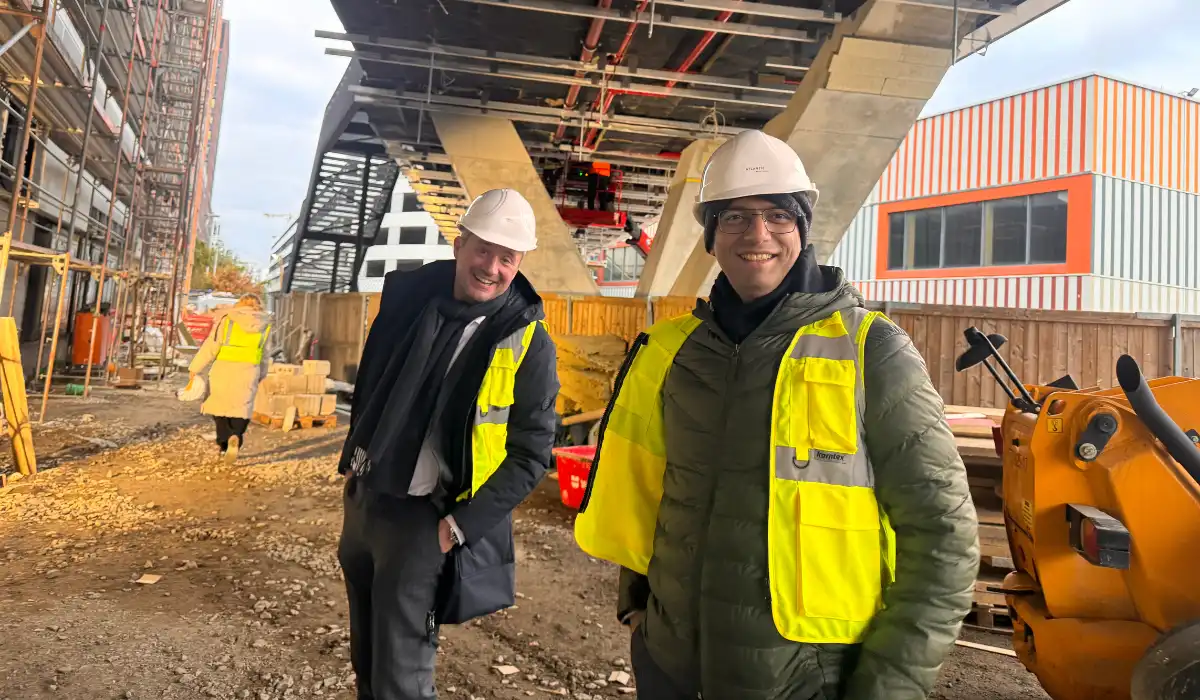
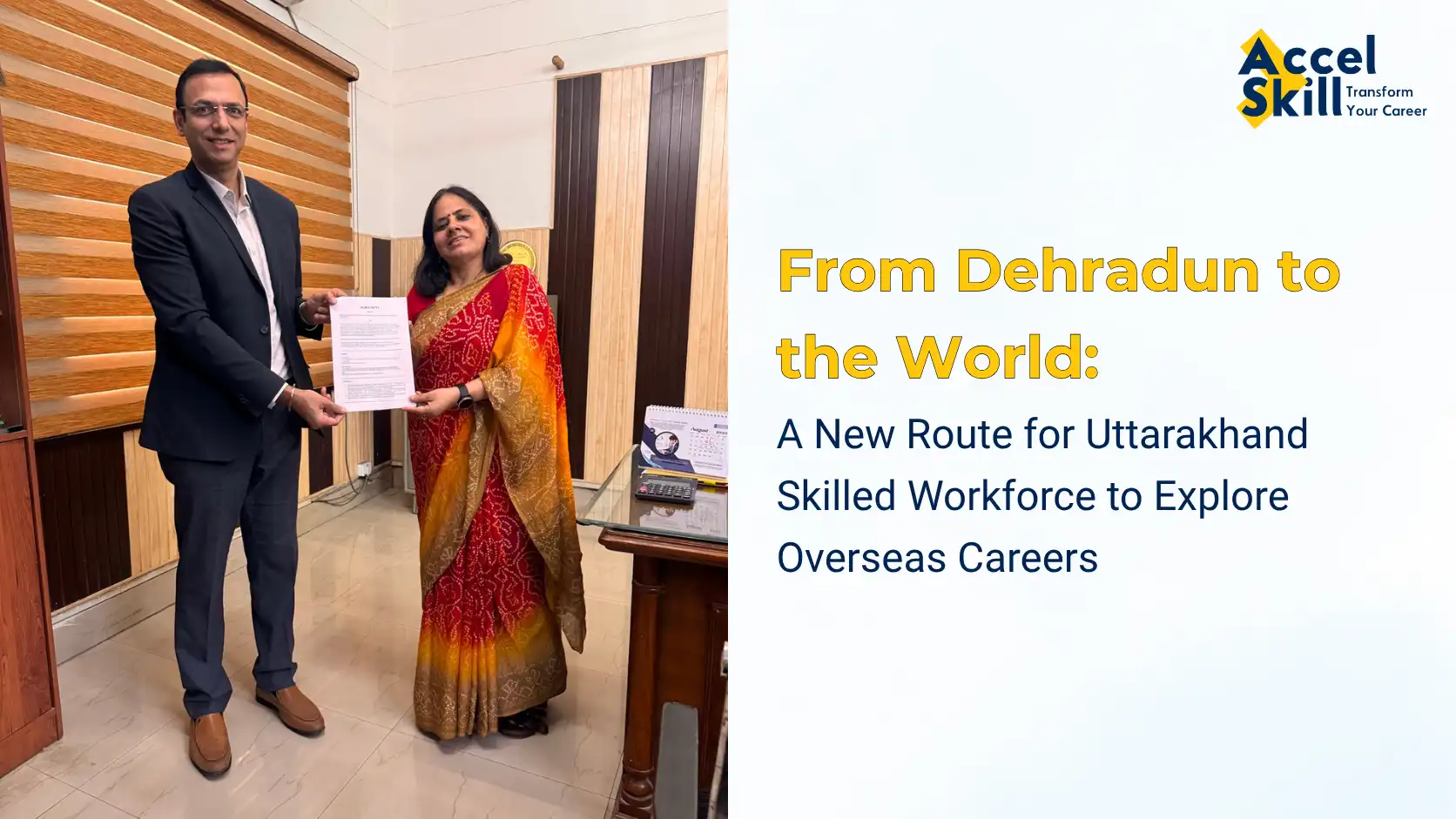
Accel Skill's founders were present at the 69th AGM, joining the broader community of business leaders and stakeholders engaged in the India-Germany relationship. Their participation was not built around a specific announcement or new partnership; it was, more simply, about staying present in a room where the direction of India-Germany cooperation gets discussed candidly by the people shaping it.
For an organization working in global skills development and international workforce mobility, that kind of presence has practical value. Policy signals, industry sentiment, and emerging priorities around bilateral cooperation surface first in rooms like this, often well before they appear in public reports or media coverage. Being part of that conversation, even as a listener and participant rather than a speaker, keeps an organization's understanding of the ecosystem current rather than secondhand.
Trade and investment numbers tell one side of the India-Germany story. The other side is about people: the electricians, machinists, nurses, IT technicians, and engineers who will actually do the work that sustains this cooperation over the next decade.
Germany's demographic reality means it will continue looking outward for skilled workers across multiple sectors. India's demographic reality means it will continue producing far more skilled and semi-skilled workers than its domestic economy can immediately absorb. At a glance, this looks like a natural match. In practice, it depends heavily on quality vocational training, credible certification, strong language preparation, and honest guidance for candidates considering international careers.
This is where the conversation at events like the IGCC AGM connects directly to the work of organizations focused on skills training and talent mobility. Understanding what German employers actually need, how immigration and recognition processes are evolving, and where genuine demand exists is not something that can be guessed at from a distance. It requires ongoing exposure to the institutions and networks where these details are discussed.
Job listings and visa categories describe the surface of workforce mobility. They rarely capture the texture underneath: which sectors in Germany are quietly under strain, how recognition of Indian qualifications is evolving, or what concerns companies have about onboarding international talent successfully.
Industry gatherings, chamber events, and cross-border business networks tend to surface these details earlier and more candidly than formal channels. A panel discussion on industrial evolution, for instance, often reveals as much about future hiring needs as it does about current investment trends. For organizations preparing candidates for international careers, that kind of context helps in designing training that matches real demand rather than assumptions about it.
This is also where responsible talent mobility becomes a practical discipline rather than a slogan. Preparing candidates well, setting realistic expectations, and aligning training with verified opportunities depends on a continuously updated picture of what is actually happening in destination markets like Germany.
The India-Germany relationship will keep evolving, and workforce mobility will remain one of its more consequential threads, even when it does not make the loudest headlines. Accel Skill's interest in staying connected to forums like the IGCC AGM comes from a straightforward premise: credible international career pathways are built on accurate, current information, not on general assumptions about demand.
Going forward, that means continuing to engage with the institutions, employers, and industry conversations that shape how skilled Indian talent moves into international roles, particularly in markets like Germany. It also means staying committed to training that prepares candidates realistically, so that the opportunities they pursue abroad are ones they are genuinely equipped to succeed in. As India and Germany continue evolving together, the organizations that stay closely tuned to that evolution will be best placed to help skilled talent move forward with it.
Considering a career pathway to Germany? Schedule a free counselling session with our experts !
About Accel Skill
Accel Skill Edutech Pvt. Ltd. is a Registered Recruiting Agent (RA)-licensed talent mobility platform building end-to-end pathways that connect Indian nursing graduates and vocational trainees with verified employment opportunities in Germany, Austria, and select Gulf countries.